
Trust as a Strategic Advantage.
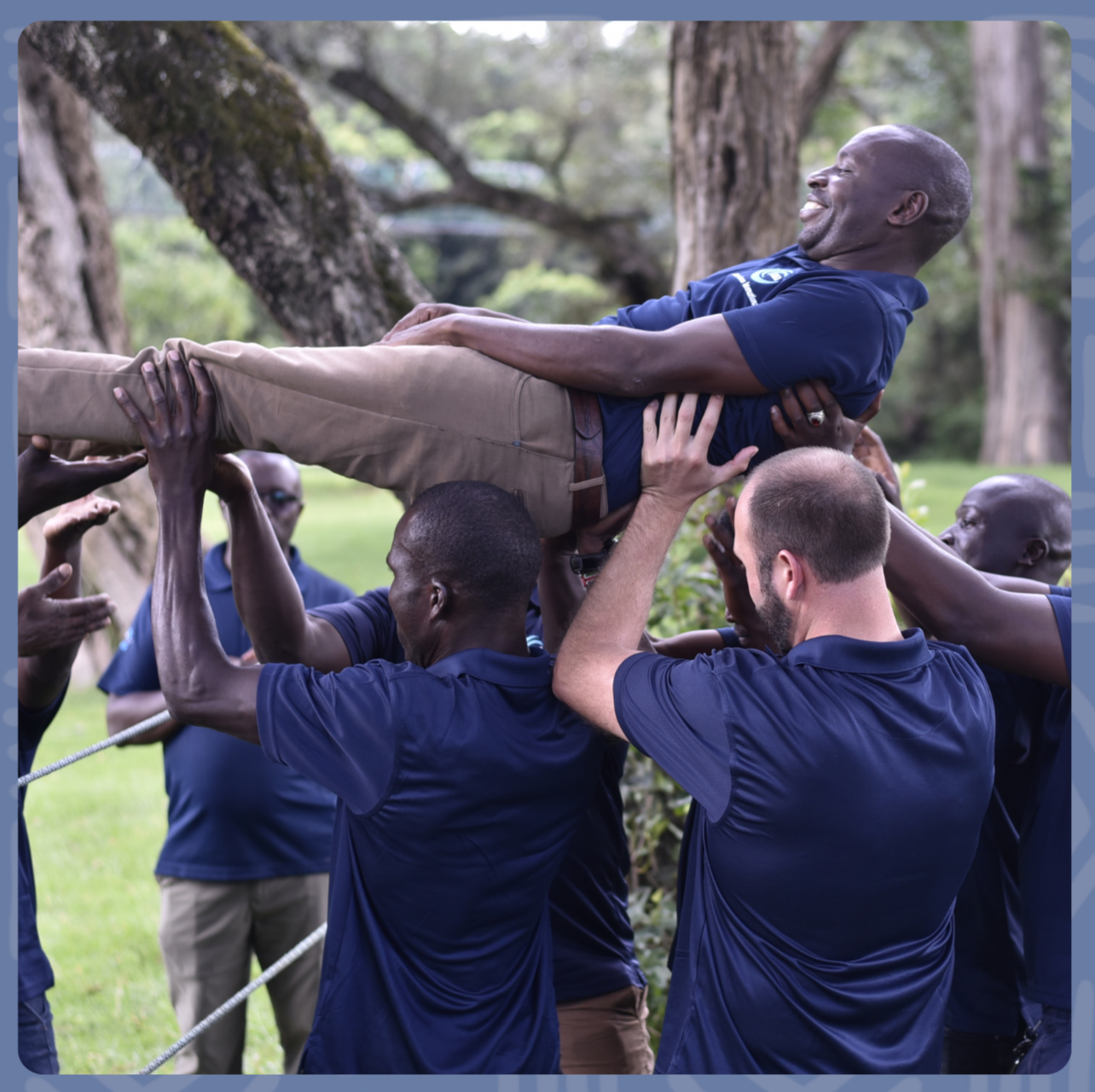
When people hear “trust” in teams, it can sound abstract. Nice to have, hard to measure, and easy to ignore when there are targets to hit and deadlines to meet.
In The Five Dysfunctions of a Team by Patrick Lencioni, trust is positioned as the starting point of everything that works in a team.
A Different Way to Think About Trust
Most of us think of trust as reliability.
“Can I count on you to deliver?”
That matters. But the kind of trust Lencioni talks about goes deeper. It is vulnerability-based trust. It sounds counterintuitive at first, especially in professional spaces.
It looks like:
Admitting you don’t have all the answers
Asking for help without hesitation
Saying “I got that wrong” without defensiveness
Letting people see the parts of your thinking that are still forming
This kind of trust shifts a team from performance mode into real collaboration.
Trust is not built when everything is going well.
It is built in the moments where things are unclear, imperfect, or even uncomfortable.
What Changes When Trust Is Present
When trust is strong, teams don’t just feel better, they function differently. Conversations become faster because people are not filtering every thought.
Feedback becomes clearer because people are not cushioning every sentence and decisions improve because more perspectives actually make it to the table.
Reframing the Leader’s Role
It is tempting to think that trust grows naturally over time. Sometimes it does. But in most teams, it grows intentionally or not at all.
This is where leadership quietly shapes everything. Not through big speeches or team-building days, but through everyday signals:
What happens when someone makes a mistake?
How does the leader respond to not knowing something?
Are questions welcomed or subtly shut down?
People are always watching what is safe. And they take their cues from you.
Building Trust Without Forcing It
Trying to “build trust” directly can sometimes feel awkward or artificial. A more effective approach is to create the conditions where trust can grow naturally.
A few simple shifts can go a long way:
Make room for unfinished thinking
Instead of only rewarding polished ideas, invite people to share early thoughts. This tells your team that contribution matters more than perfection.
Respond well to honesty, when someone speaks up about a challenge or mistake, your response matters more than the moment itself. A calm, constructive response reinforces safety.
Let your team see your process, not just your conclusions. When people understand how you think, it becomes easier for them to engage, challenge, and contribute.
Why This Matters for What Comes Next
In The Five Dysfunctions of a Team, trust is just the beginning.
It unlocks healthy conflict which leads to real commitment that builds accountability, ultimately driving results.
None of that happens without this first layer.
A Simple Place to Start
If you are thinking about your own team this month, don’t start with a big initiative, start small. Pick one moment this week to model the kind of trust you want to see.
Maybe it is:
Saying “I’m not sure, what do you think?”
Owning something that didn’t go well
Asking a more honest question than usual
You are not just leading the work, you are shaping the environment the work happens in.
Trust is where that environment begins.