
The Shift from Self-Serving to Servant Leadership
When you hear the word "leadership," what image comes to mind? A CEO in a corner office? A military commander? A politician at a podium?
For generations, we have been conditioned to view leadership as a function of position, power, and top-down control. But this model of leadership carries a massive flaw: it inevitably breeds fear, compliance, and burnout.
There is a better way. If you want to build a culture of high performance, deep loyalty, and authentic trust, you have to fundamentally shift from being a self-serving leader to a servant leader.
Defining the Two Styles
To evaluate where you stand, we have to look at the internal motivations driving your authority:
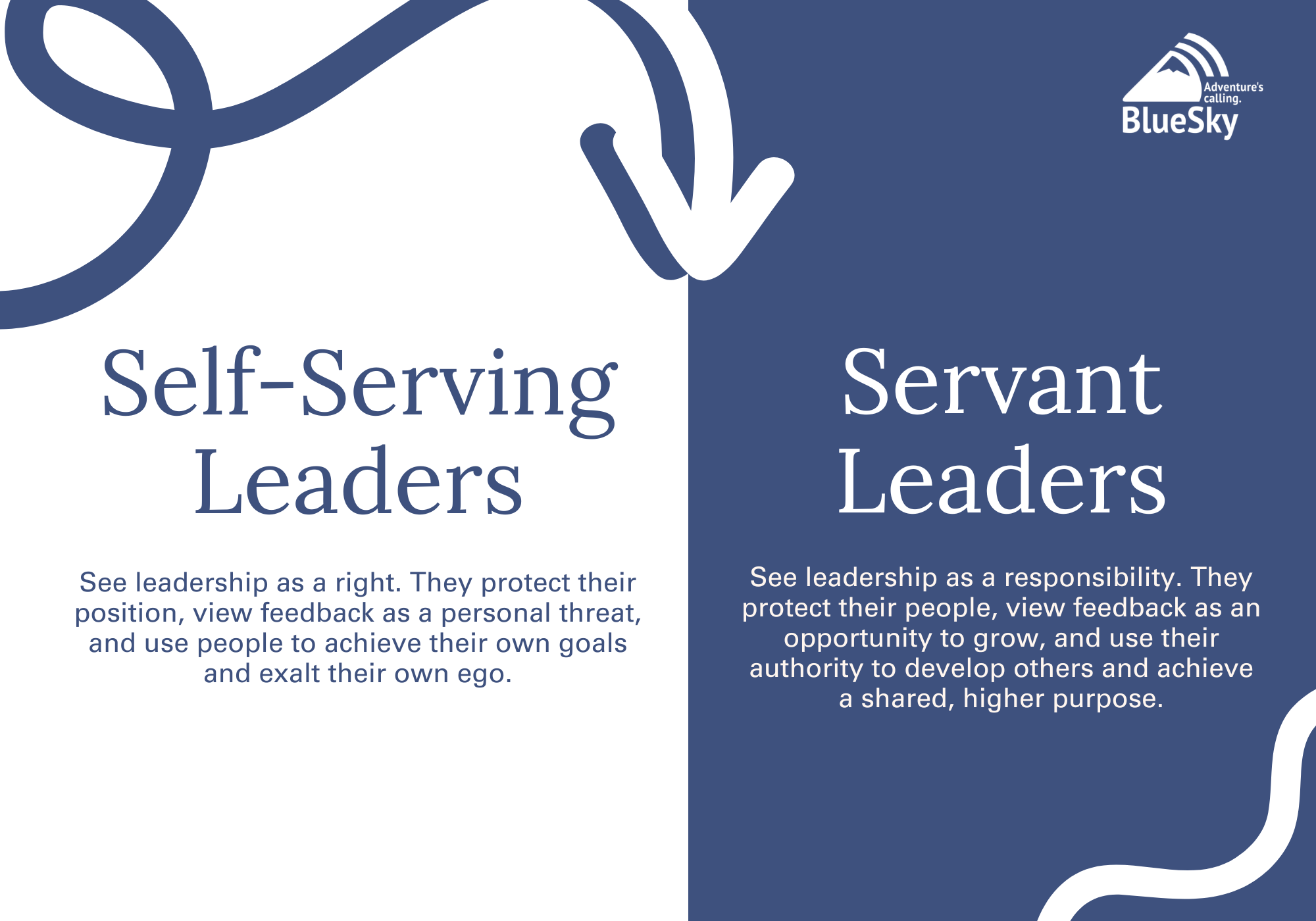
Self-Serving Leaders: See leadership as a right. They protect their position, view feedback as a personal threat, and use people to achieve their own goals and exalt their own ego.
Servant Leaders: See leadership as a responsibility. They protect their people, view feedback as an opportunity to grow, and use their authority to develop others and achieve a shared, higher purpose.
The Four Domains of Leading Like Jesus
Leading like a servant isn’t just a nice theory; it requires a systematic alignment of four distinct areas of your life:
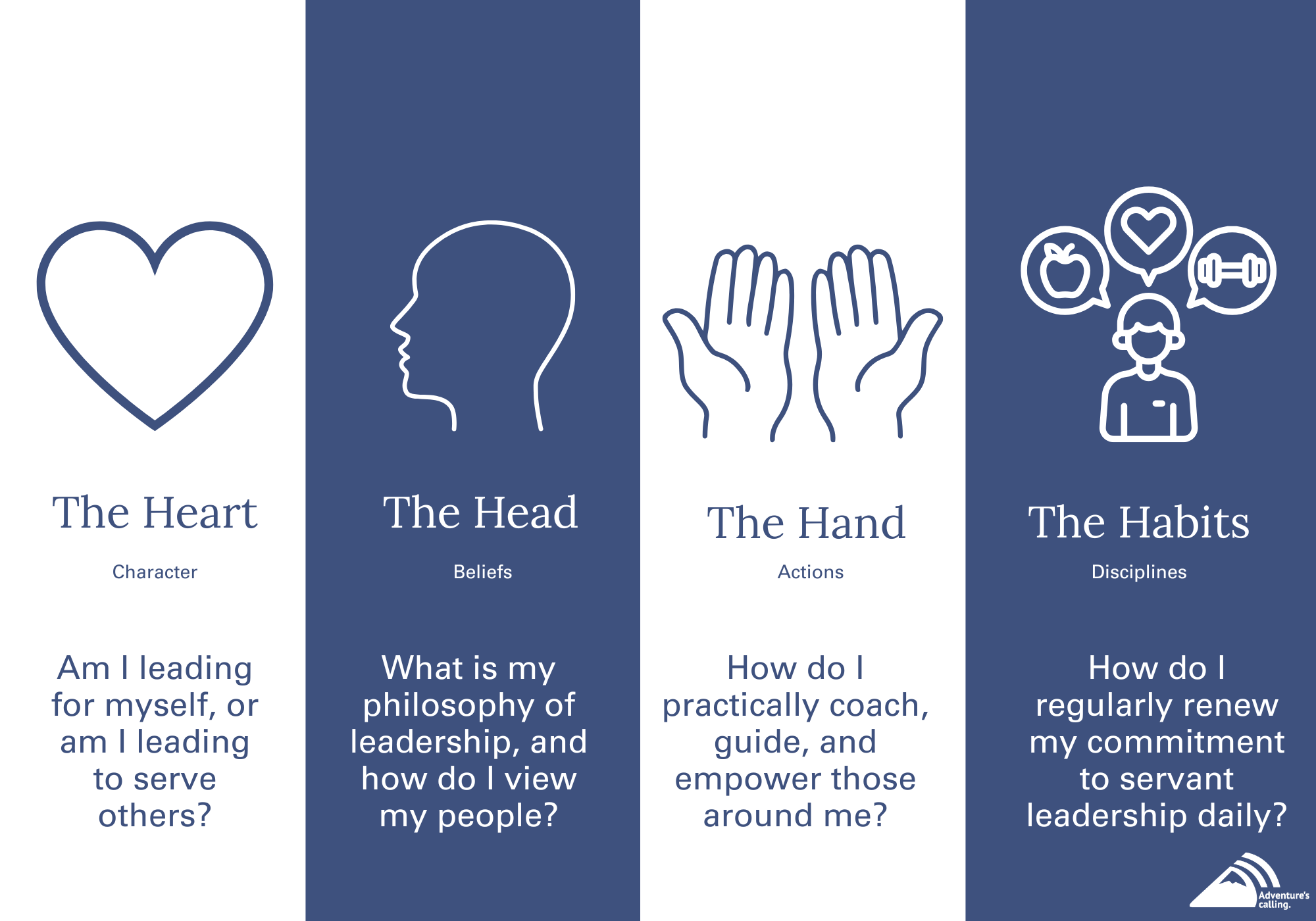
The Heart (Character): Am I leading for myself, or am I leading to serve others?
The Head (Beliefs): What is my philosophy of leadership, and how do I view my people?
The Hands (Actions): How do I practically coach, guide, and empower those around me?
The Habits (Disciplines): How do I regularly renew my commitment to servant leadership daily?
True leadership transformation begins on the inside (the Heart) and works its way out to your daily behaviors (the Hands and Habits). Over the next few weeks, we are going to dissect each of these layers to help you revolutionize the way you lead your team, your family, and your community.
What do you think?
What is the biggest difference you’ve noticed between a self-serving boss and a servant leader?